

JP / EN

CENTUM Sustainability

Driving Sustainability Through CENTUM
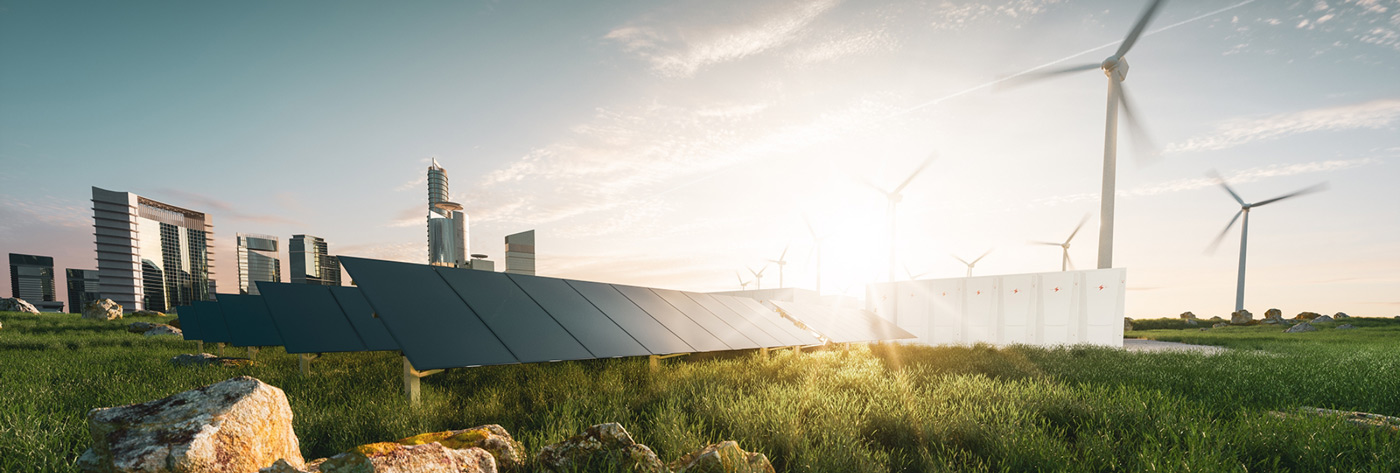
Sustainability imageSustainability image

Yokogawa has established its "Three Goals" for sustainability, aiming to help realize a sustainable society by 2050.
These goals focus on achieving net-zero emissions (stopping climate change), promoting well-being (quality life for all),
and advancing a circular economy (circulation of resource and efficiency).
Yokogawa is actively transforming its business as it works toward these objectives.
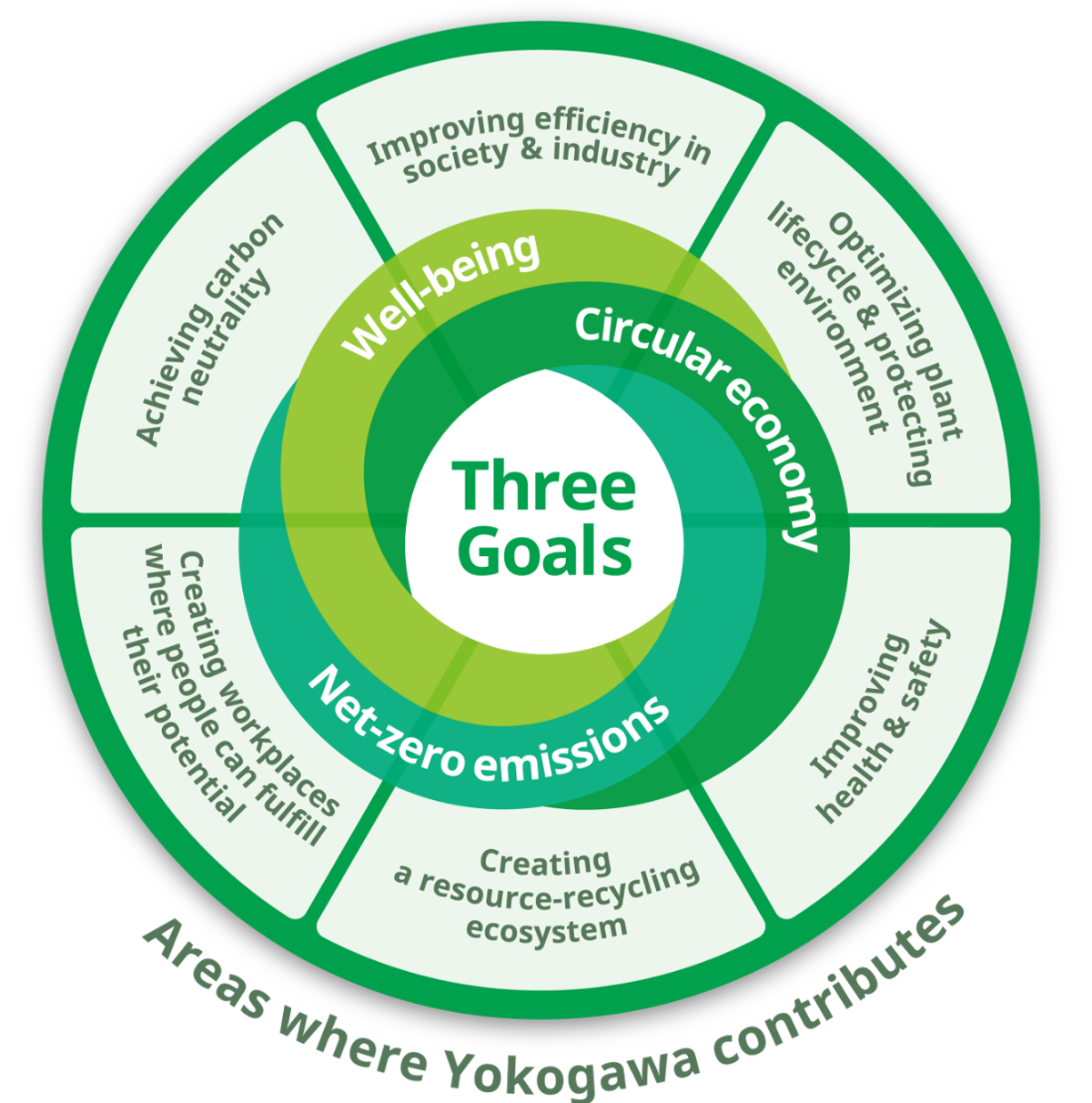
Areas where Yokogawa contributes to the Three Goals: Net-zero emissions, Well-being, and Circular economy - Improving efficiency in society and industry, Optimizing plant lifecycle and protecting the environment, Improving health and safety, Creating a resource-recycling ecosystem, Creating workplaces where people can fulfill their potential, Achieving carbon neutrality
  • Net-zero emissions icon

    Net-zero emissions

    Through the introduction of renewable energy and more efficient energy usage, we aim to achieve "Net-zero" (a state in which GHG concentrations in the atmosphere do not increase), in which a balance is maintained between greenhouse gas (GHG) emissions and absorption.
    In addition, we will also address issues such as reducing damage caused by natural disasters and biodiversity.

  • Well-being icon

    Well-being

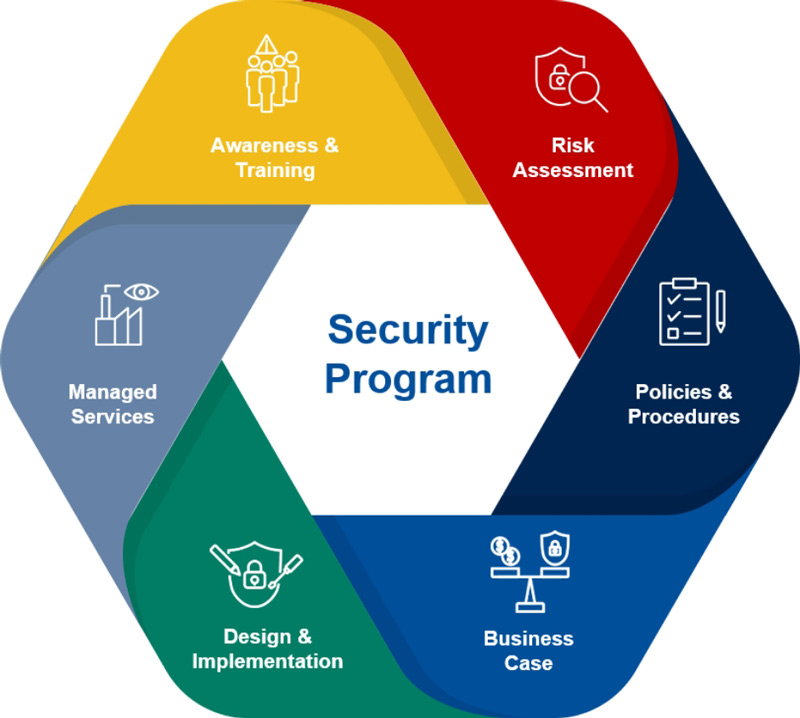
    Ensuring safe operations by minimizing the risk of accidents and cyberattacks, thereby protecting both personnel and plant assets at the customer’s facility.
    Supporting the plant’s long-term, optimal operation by adapting to changes in the customer’s business environment.

  • Circular economy icon

    Circular economy

    We aim to create a social framework and ecosystem in which various resources are recycled without waste and assets are utilized effectively.
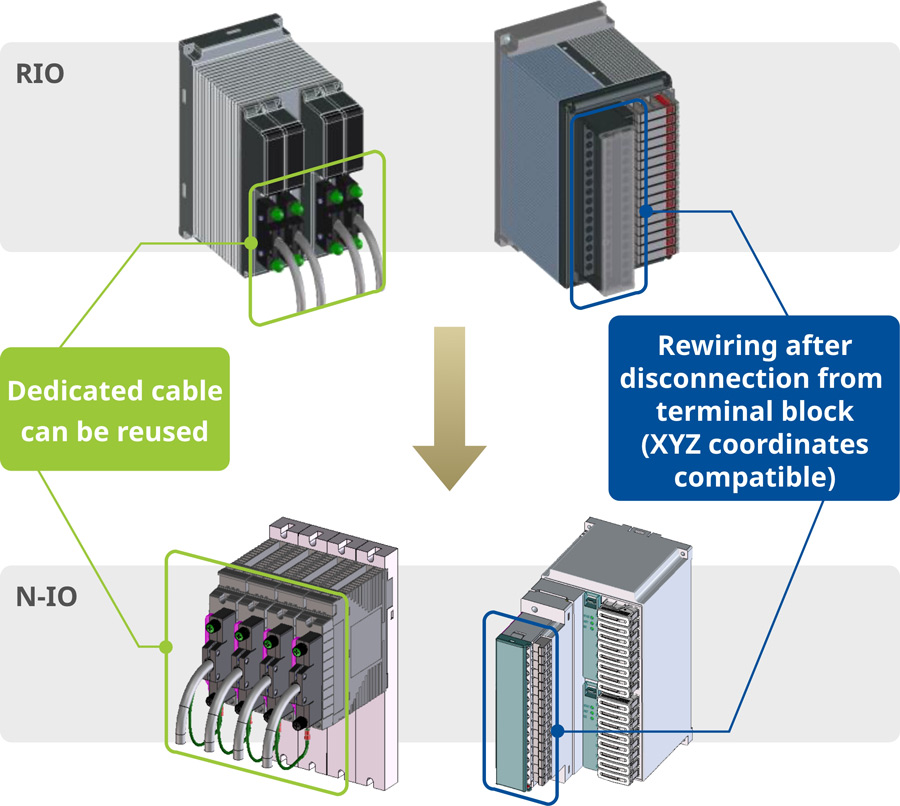
    Minimizing waste by extending the operational life of systems and reducing the need for frequent replacements.
    Promoting efficient resource use by actively incorporating recyclable raw materials and components.

Trusted Green

Guided by its sustainability policy, the "Three Goals," Yokogawa has established "Trusted Green" as a sustainability guideline that considers the entire supply chain and life cycle of its products.

"Trusted Green" is built on the following three pillars:

  • 1.Providing highly reliable products
  • 2.Reducing the environmental footprint over
    the entire product life cycle
  • 3.Building a circular ecosystem
Trusted Green image

Key Categories and Framework for
Achieving "Trusted Green"

To continuously reduce environmental impact, starting in FY25 we expanded our environmental design initiatives and established eight key categories along with an implementation framework.

Three Pillars of
"Trusted Green"
Initiatives for Environmental
Contributions of Products
Providing highly reliable products

Extend Product Life

  • Longevity
    (Durability and Reliability)
  • Repairability
  • Maintainability
Reducing the environmental
footprint over the entire
product life cycle

Reduce Environmental Impact

  • Carbon Footprint
  • Use of Sustainable Materials
  • Environmental Risk Management
Building a circular ecosystem

Enhance Circularity

  • Lifecycle Management
  • Goal Setting and Governance

Initiatives throughout the CENTUM Lifecycle

For our DCS, we manage product environmental performance in line with this framework
and continue to make ongoing improvements to achieve "Trusted Green" in the future.

Diagram illustrating Yokogawa’s environmental contribution initiatives across the entire product lifecycle, highlighting the “Three Goals” (Well-being, Circular economy, Net-zero emissions) and the areas where Yokogawa contributes.

Swipe to view more→

Lifecycle Areas of focus Detail
Design 1 Carbon footprint Environmental harmonized product design leveraging Life Cycle Assessment (LCA)

View More

Procurement 2 Sustainable materials Responsibly sourced materials that reduce environmental impact

View More

Production - Environmental risk management Compliance with global environmental regulations
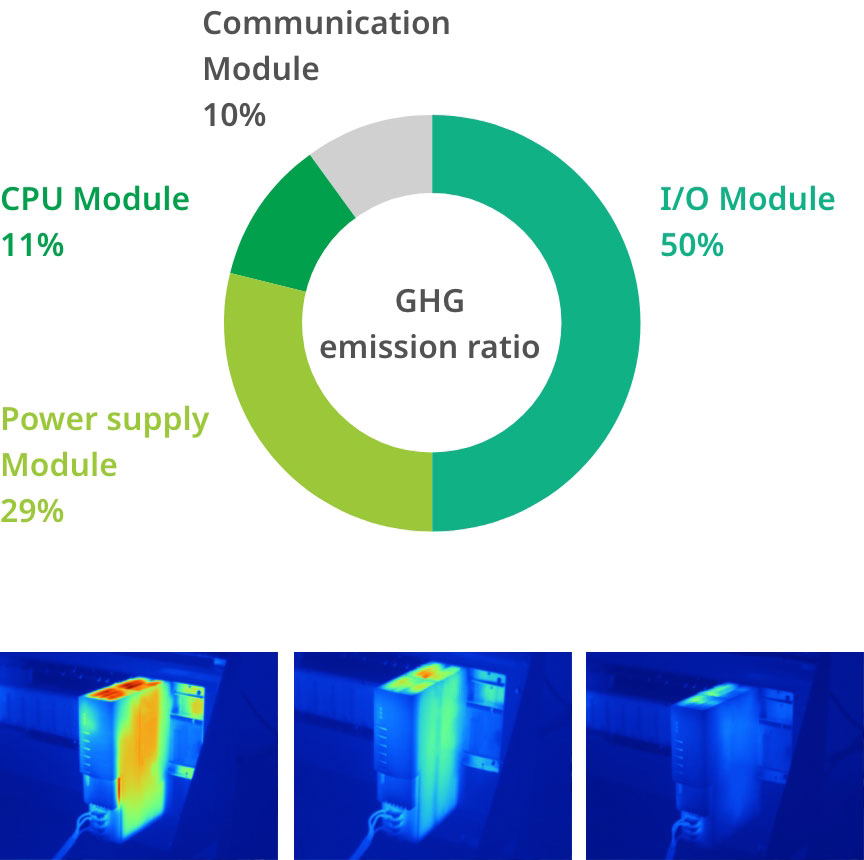
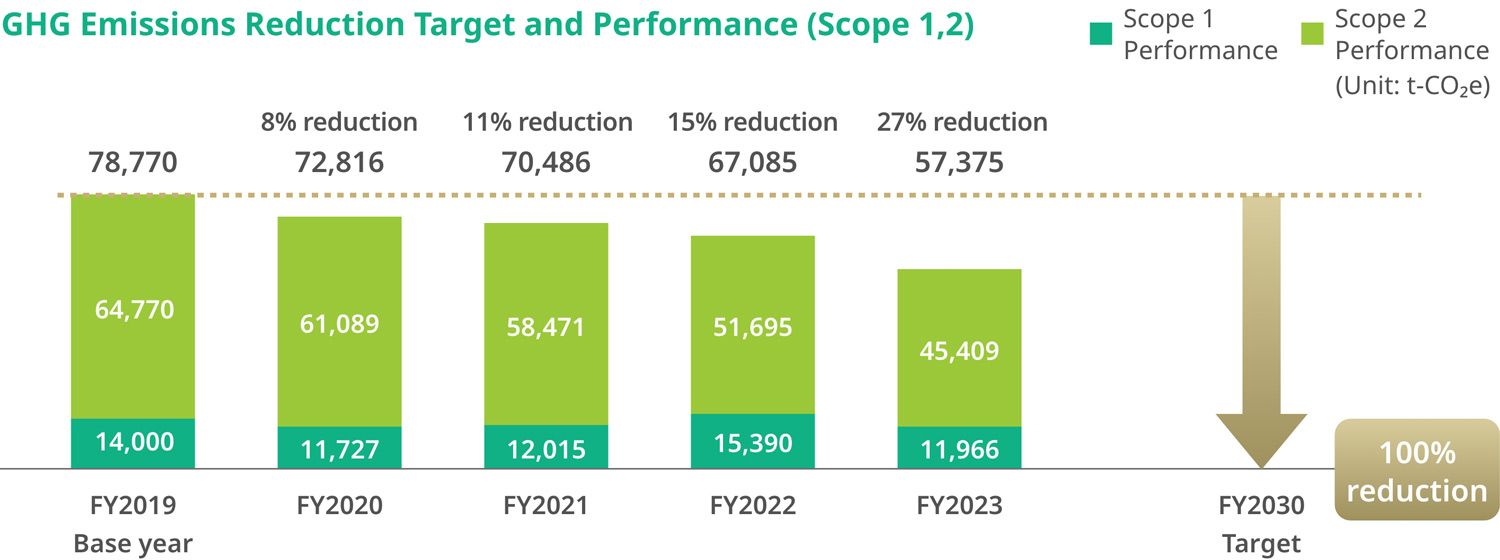
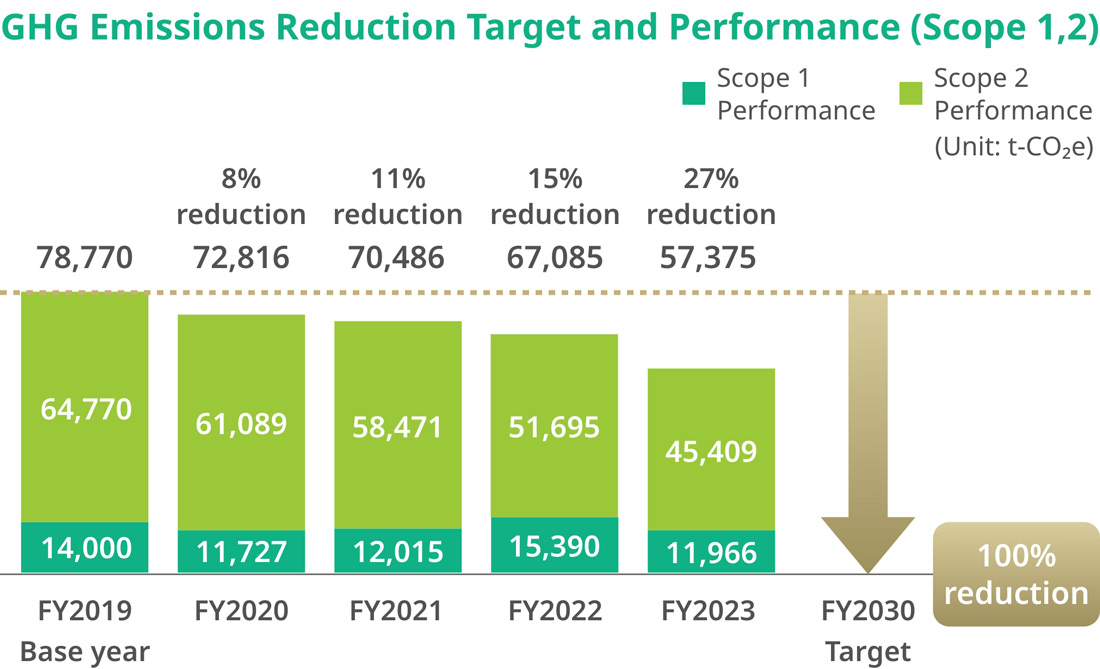
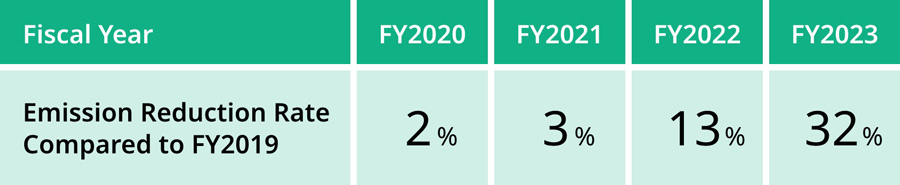
3 Carbon footprint Continuous reduction of CO2 emissions in manufacturing

View More

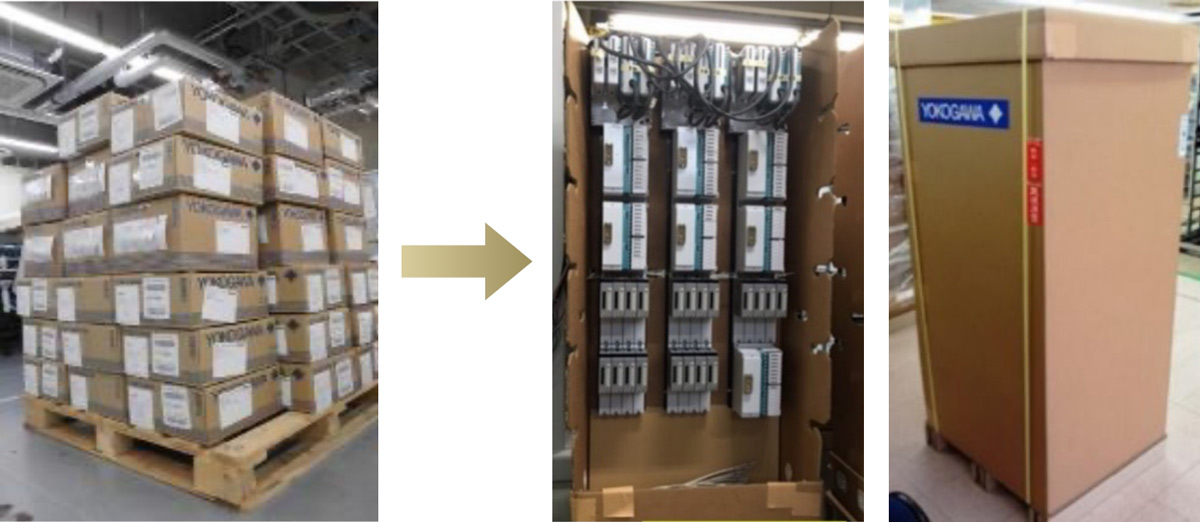
Logistics 4 Carbon footprint Improved packaging design and materials for transportation

View More

Usage 5 Maintainability Functions and information that support maintenance

View More

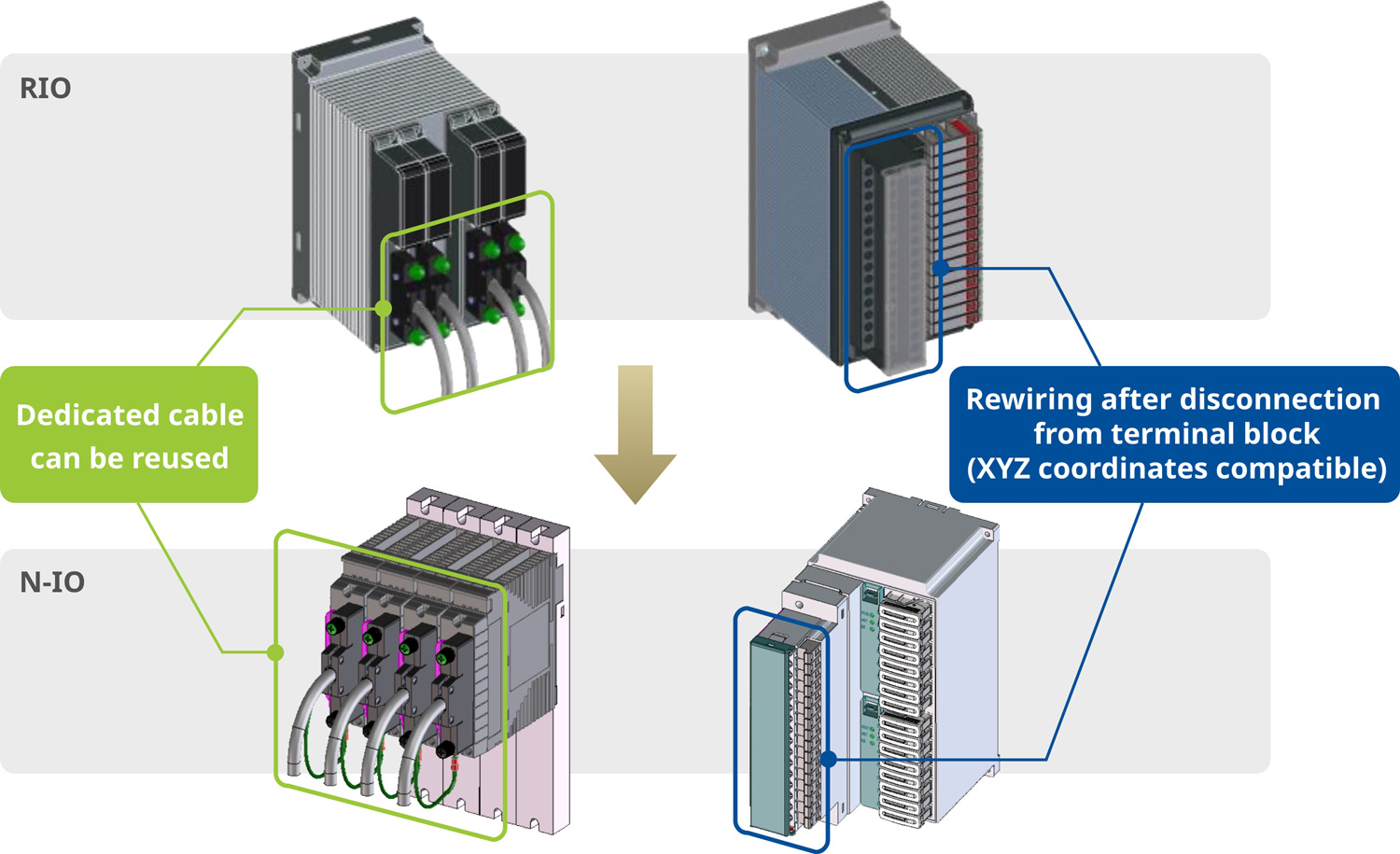
- Repairability Improved repairability through replacement parts
6 Longevity Long-term product performance and stability

View More

End of use - Lifecycle management Continuous enhancement of product disassembly -
The Entire Lifecycle - Reducing cyber security risk

View More

- Goal setting and management system
PAGE TOP