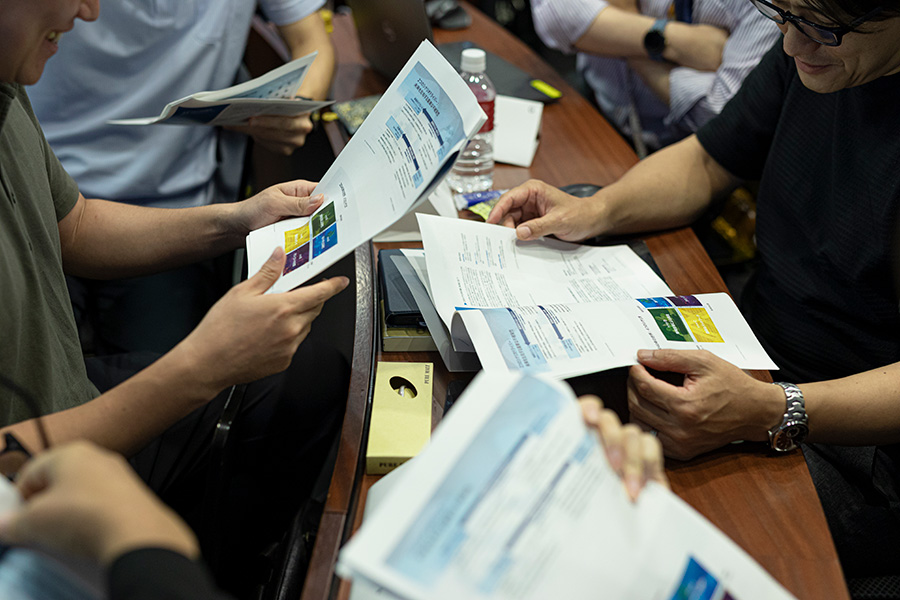
Group discussion: Dialogue transcending generations and industries
The final segment of our three-part series on the 25th GPP Lecture & Workshop features group discussions by participants on “The world in 2040: Four scenarios.”
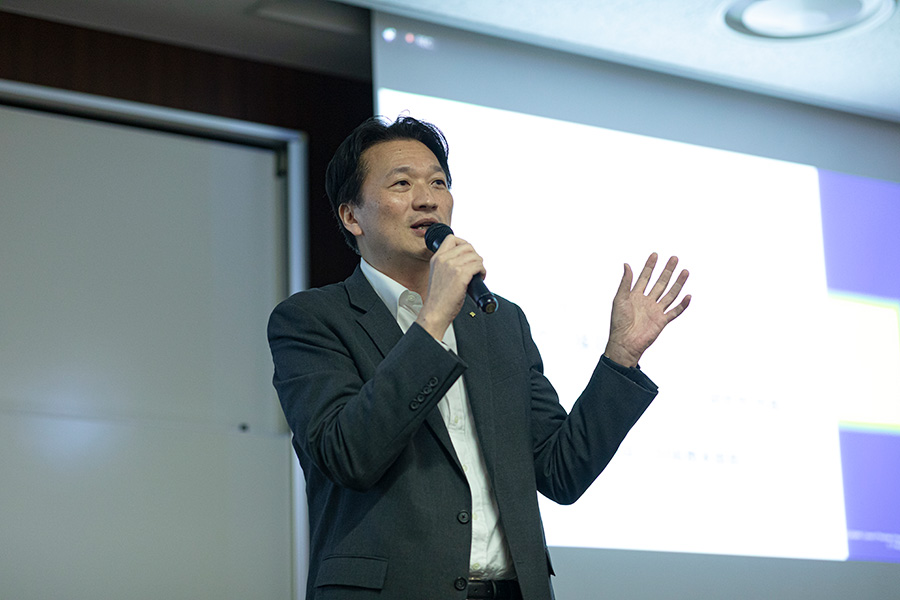
Following some 45 minutes of future-oriented discussion, each group spokesperson presented team findings and possible responses to diverse topics, including the population issue, AI usage, craftsmanship, behavioral change through religion, intergenerational exchange, value networks, and geopolitical risks. The following are some examples of the shared insights.
“Japan has been slow to integrate AI into society, yet it is a highly developed nation facing critical issues such as population decline and rapid aging. How can we leverage our technological strengths to address these issues? Japan offers an ideal testing ground for AI-driven solutions. I hope we can rise to this challenge and revitalize the nation’s industrial strength."
“It is said that Japan’s manufacturing has no future as things now stand, though the nation retains its top global spot in the Economic Complexity Index. Japan must ensure the transfer of skills and expertise to sustain this competitiveness. Surely Japan can preserve its manufacturing industry if those with experience and technology leverage AI."
“Regardless of AI’s future creative capabilities, there will always be those who prefer creation by humans. For example, although we can easily download music, people still pay vast sums to attend concerts by renowned overseas singers. Others would shell out 10 or 100 times more money for Edo Kiriko cut glassware, a designated traditional craft of Tokyo, over a similar product made by a robot."
“If AI takes over our jobs, and humans no longer need to work, how will we live? If we lose human interactions and opportunities to experience and fail, won’t life become dull as humans cease to grow?"
“Won’t religion play an even more significant role as the population surges? Patterns of behavior and economic activity will surely change as Islam, as well as Christianity, exerts increasing cultural and social influence. Shouldn’t we begin focusing more on literacy levels and ethical education rather than on intergenerational issues?”
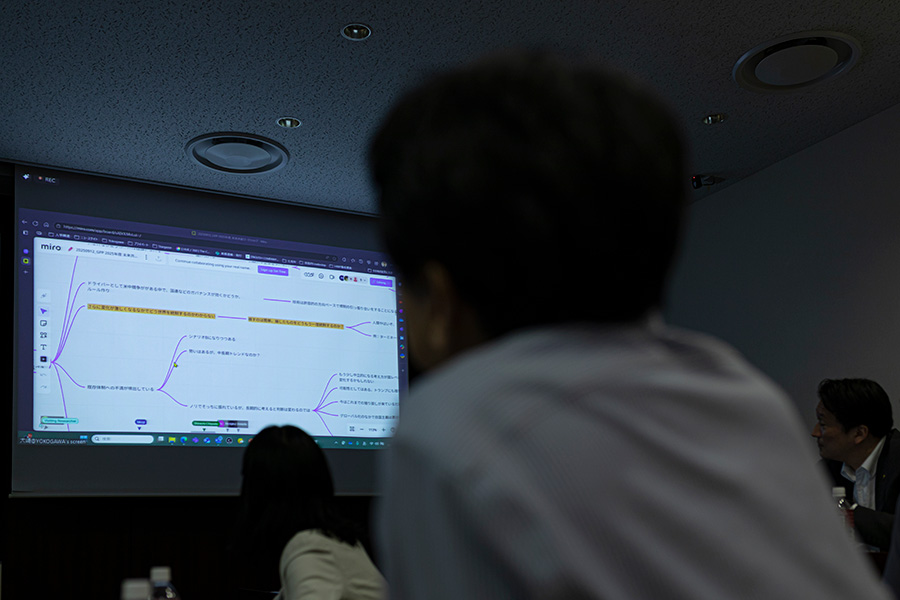
Event participants from the UK and Saudi Arabia added their opinions to the mix.
“The future scenarios introduced today can serve as tools for discussing organizational growth strategy with management. Furthermore, I felt this clear description of the qualities required to become a co-creation leader will surely be useful when discussing human capital.”
“Corporate activity is borderless, but individual countries set regulations. For example, no global framework exists for issues which require global deliberation, such as AI. We envisioned an ‘Earth metaverse’—a space to consider and discuss AI regulation using a narrative which will resonate universally.”
The Future Co-creation Initiative: A “never-ending journey”
The event was wrapped up with concluding remarks by Associate Professor Joel Baker Malen, Waseda University GSRI Research Director.
“These scenario megatrends influence us, but our actions influence them as well. We should keep in mind that micro impacts macro in addition to the other way around.”
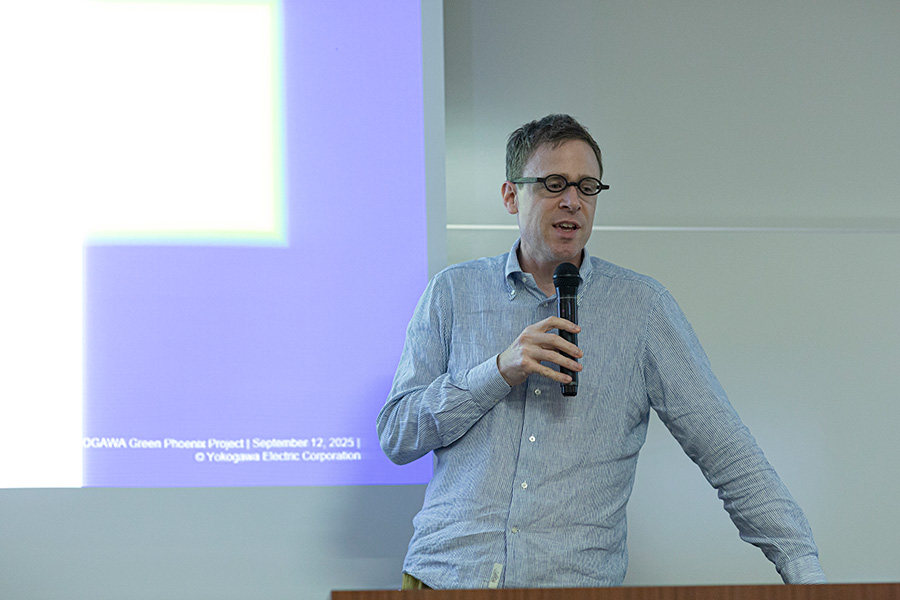
Participants followed up with questions about the future of GPP.
“Does this series of events have an endpoint?”
Ikegami responded with these words.
“The future we now see will continue to evolve, so it might be odd to say the activities will end. In other words, the GPP is a ‘never-ending journey’ which will continue to subdivide, develop, and converge.”
Masataka Tomonaga, Vice President & Executive Officer and Head of Human Resources and General Affairs Headquarters at Yokogawa Electric Corporation, offered additional concluding remarks.
“The Future Co-creation Initiative is a co-creation platform led primarily by young professionals. Today’s event reaffirmed the importance of creating opportunities like this to connect with partners in industry, academia, and various organizations. Professor Ikegami described this initiative as a ‘never-ending journey,‘ and as organizers, we hope to carry that spirit forward. We look forward to continuing this ‘never-ending’ journey together."
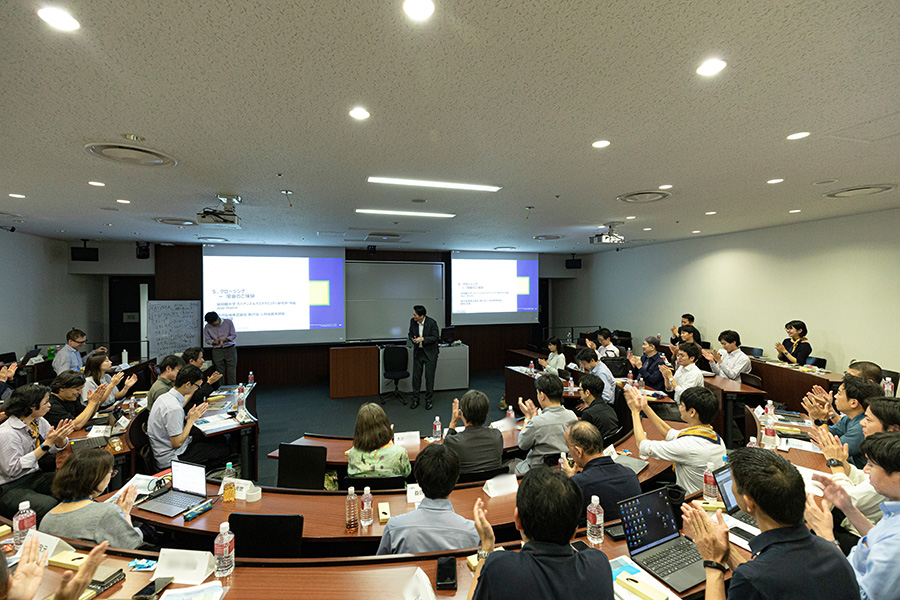
The event welcomed over 50 participants, including online participation from overseas. Global events have continued to shift rapidly since the GPP founding in 2021.
The value of co-creative communities, such as the GPP, which connect individuals across industry-government-academia as well as generations and national borders, will continue to increase and be sought in these uncertain times.
“Utilizing our ability to measure and connect, we fulfill our responsibilities for the future of our planet.” As stated in the Yokogawa corporate purpose, the company’s goal is to create sustainable value through the GPP, guided by autonomy and coexistence. As members of a future-focused global society, Yokogawa aims to lead the search for solutions on a worldwide scale.
Details
Future Co-creation Initiative Menu

HOME
Top page of Yokogawa’s “Future Co-creation Initiative”

Interviews
Our collaborators discuss the value and meaning of “Future Co-creation Initiative” from various perspectives.
Activity Overview
Introduction of our next-generation leadership development and a co-creation network beyond the scope of business.
Activity Objectives
Background and aspirations behind launching co-creative activities in an age without clear answers.
Future Scenarios
Future scenarios generated by young leaders of the future through scenario planning and co-creative dialogue.
Scenario Ambassadors
Introduction of Scenario Ambassadors—representatives selected from each Yokogawa department enjoying growth and learning.

Collaborator Networks
Fostering “weak ties” among our supporters, partners and individual companies, while building an industry-government-academia network.

Sponsor Article
Article published by WIRED, the US-based tech culture magazine.
Looking for more information on our people, technology and solutions?
Contact Us