Japan’s manpower shortages and low birthrate highlight a changing employment environment. The younger generation’s shifting values and attitudes are confounding corporate entities. Professor Daisuke Kanama of Kanazawa University offers insights into issues facing companies and society alike.
While pursuing his doctorate in physical informatics, Kanama had the opportunity to study at Virginia Polytechnic Institute and State University as a visiting research fellow. It was there that he encountered the field of innovation management. Back then (2001), the word “innovation” was catching on in the US, and the concept of managing technology was being adopted. Following his return to Japan, Kanama switched his focus from physical informatics to innovation, with a current research focus on start-up ecosystems and human resource development (HRD) theory.
In an era lacking conclusive answers, understanding the values of today’s younger generation is critical to fostering the leaders of tomorrow. During his research, Kanama discovered a common trend among Japanese people in their twenties to mid-thirties and shared his views on this topic with us.
*Insights shared in this dialogue are personal and do not represent those of any organization.
*Affiliations and positions are current at the time of this writing (November 2025).
Understanding “good child syndrome”
Kanama’s book, Teacher, Please Don’t Praise Me in Front of Everyone (Toyo Keizai Inc.), was published in Japanese in 2022 and caused quite a stir. The author explains his thoughts on “good child syndrome,” which manifests as “people-pleasing” behavior in adulthood.
“I find the quest for stability to be the defining characteristic of young people with good child syndrome. Their recipe for a positive environment includes no intimidating bosses and no overtime but plenty of mental stability. They also care about ‘keeping up with the Joneses’—measuring up to their peers. Their marker is whether they, as working adults, possess the same knowledge and skills as their friends and colleagues. In other words, their top priority is being average.”
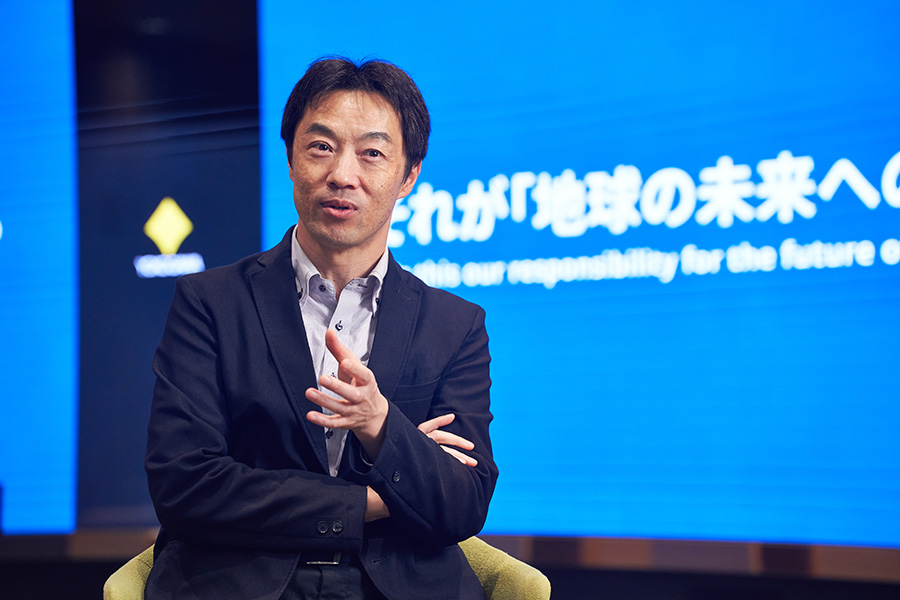
So, where do they stand on curiosity and taking on new challenges?
“They adhere to shared tastes rather than pursuing their own interests, and they avoid new challenges, as failure is the ultimate fear. They try something new only when its success seems likely.”
Kanama goes on to explain how managers in their 40s and 50s, those considered immediate superiors in the work venue, view these people pleasers.
“Young people pleasers prefer to remain as nameless as possible in the eyes of the managerial stratum, as they dislike being known and having new work assignments tossed their way. They find their current stable income satisfactory. It’s not that their interpersonal relationships are bad; in fact, their communication skills are high. Moreover, they appear to have appealing personalities and sufficient motivation.”
Key traits of young people in contemporary Japan
Kanama explains the prevalence of young people with good child syndrome and identifies other types of young Japanese found in today’s society.
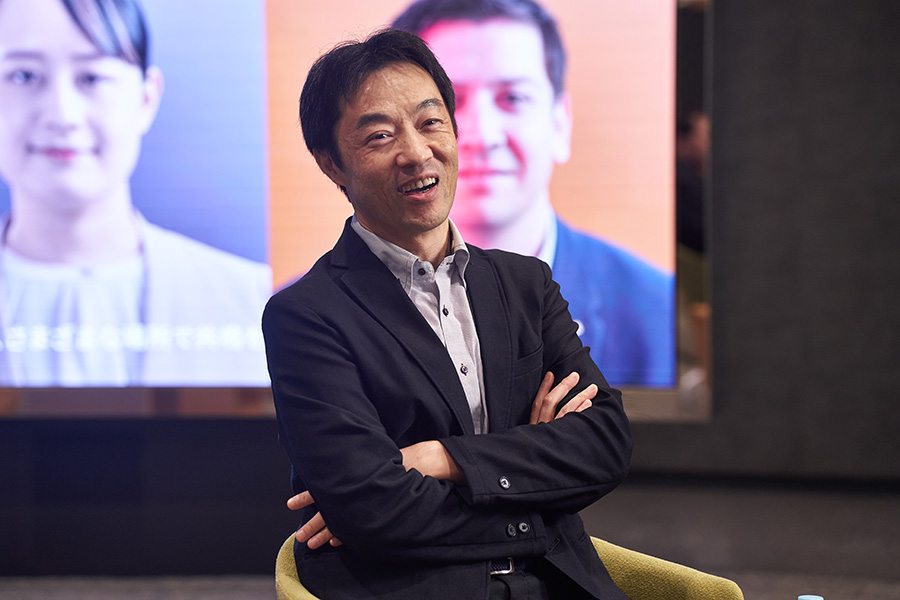
“People pleasers account for about half of all young people, while their polar opposite, the self-actualization type, total around ten percent. The remaining forty percent fall somewhere in the middle tier. However, boundaries dividing these groups are more fluid than definitive.
“The self-actualization type affirms what was learned today and looks forward to the next day’s activities. These individuals take failure in stride and easily adjust accordingly. There is a saying that ‘experience is invaluable,’ a notion which this type embodies. They are aware of how others view them, embrace high-profile work, and crave validation. Simply said, self-actualization types do not hide their need for recognition. Publicly evaluating and incentivizing these individuals is key.
“Members in the middle tier are quite similar to those people pleasers, as they seek stability and avoid recognition. They don’t relish those traits; in fact, they find them awkward. They would like to take on new challenges but lack the gung-ho nature of the self-actualization type. They have a timid streak.”
Workplace comfort vs. job fulfillment
Companies seem focused on workplace comfort and job fulfillment to retain young employees. However, Kanama cautions against failing to grasp that these are two entirely different pursuits.
“Workplace comfort refers to eliminating negatives while providing an amenable situation: stable pay, a harassment-free environment, positive interpersonal relationships, and flexibility between remote and on-site work. This is the area in which Japanese companies have made improvements.”
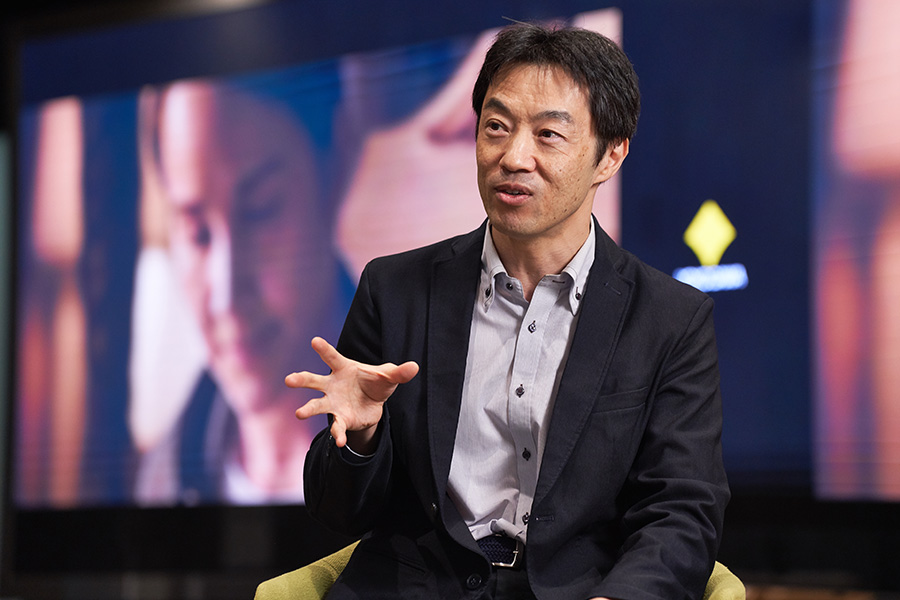
In fact, Japanese companies have significantly improved workplace comfort in recent years. That said, Kanama also addresses how organizations can generate job fulfillment.
“Organizations with inherent job fulfillment don’t exist, as this quality differs among individuals and must be self-determined rather than bestowed. Job fulfillment requires a one-on-one approach.”
The key to leadership development — the middle tier
Kanama discusses how organizations can secure, foster, and retain young employees capable of driving organizational change.
“Self-actualization types favor start-ups rather than major corporations. This is why I consider nurturing middle-tier individuals as key for larger entities. These young people relish challenges but have difficulty overcoming their fears. Individualized support is essential.”
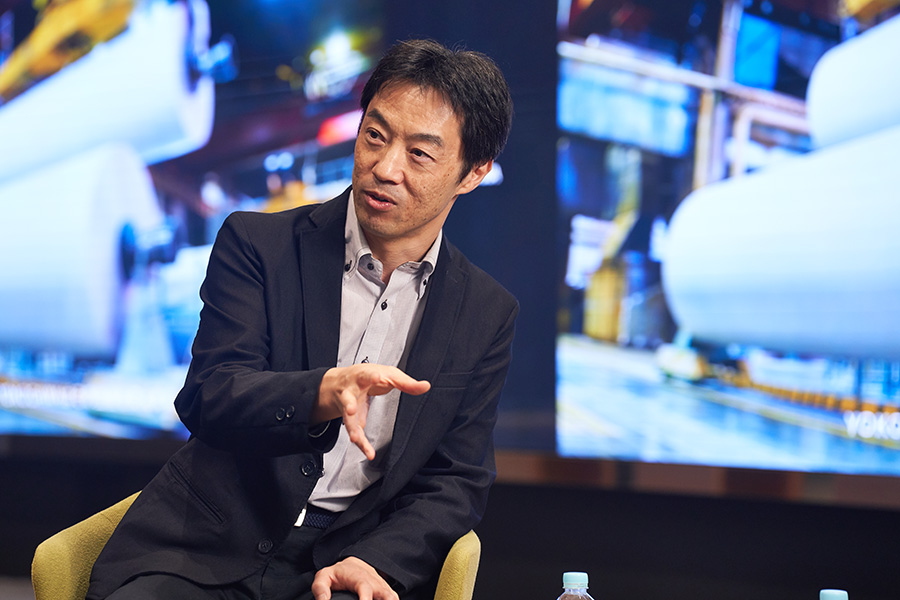
Nobuyuki Tamaki, a Future Co-creation Initiative Project Leader, describes his own experiences.
“We actively scouted the first generation of Future Co-creation Initiative members from among the individuals recommended by each department—people who seemed to possess an innovator's spirit or showed promise as future entrepreneurs.
For the second generation, however, we shifted to a volunteer-based recruitment process. This seemed to produce fewer individuals with a burning ambition, but it yielded young people genuinely committed to learning.”
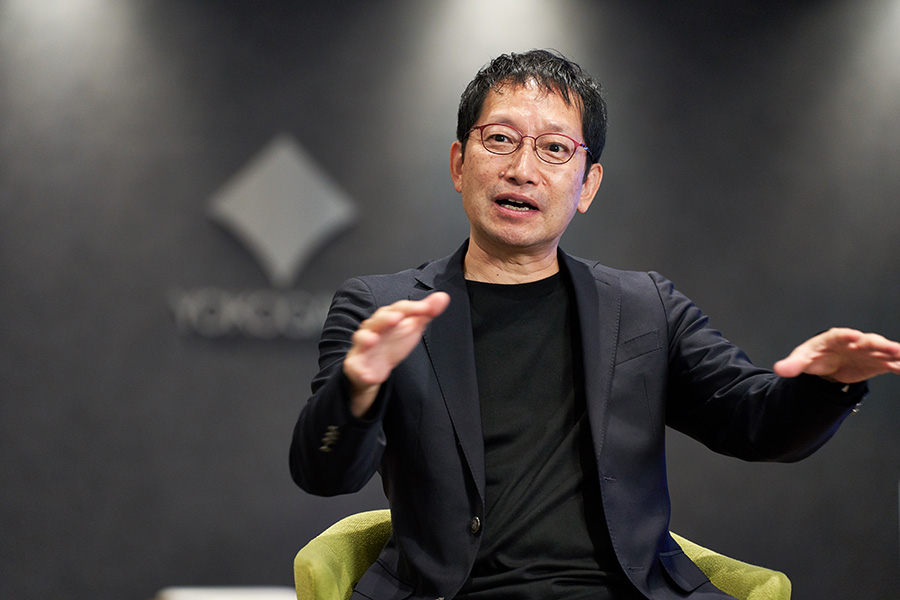
Kanama points out that this second generation of young Future Co-creation Initiative recruits exhibits middle-tier characteristics, with the potential to display initiative at work and develop into leaders.
Details
Future Co-creation Initiative Menu

HOME
Top page of Yokogawa’s “Future Co-creation Initiative”

Interviews
Our collaborators discuss the value and meaning of “Future Co-creation Initiative” from various perspectives.
Activity Overview
Introduction of our next-generation leadership development and a co-creation network beyond the scope of business.
Activity Objectives
Background and aspirations behind launching co-creative activities in an age without clear answers.

Future Scenarios
Future scenarios generated by young leaders of the future through scenario planning and co-creative dialogue.
Scenario Ambassadors
Introduction of Scenario Ambassadors—representatives selected from each Yokogawa department enjoying growth and learning.

Collaborator Networks
Fostering “weak ties” among our supporters, partners and individual companies, while building an industry-government-academia network.

Sponsor Article
Article published by WIRED, the US-based tech culture magazine.
Looking for more information on our people, technology and solutions?
Contact Us